
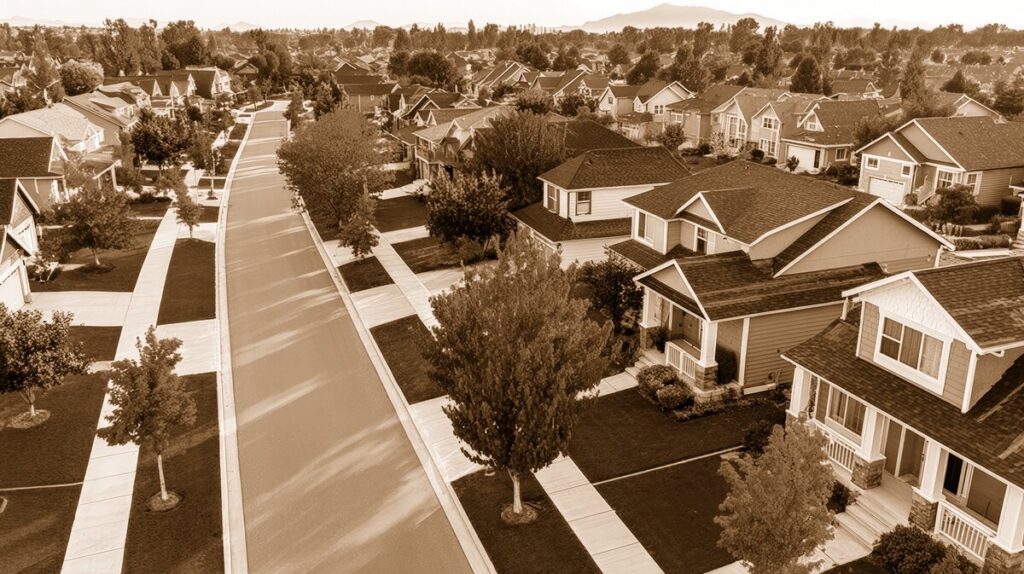
Nestled in the eastern quadrant of Evansville, Eastview is a neighborhood with a rich tapestry of history, community spirit, and quiet charm that locals have cherished for generations. For longtime residents and newcomers alike, Eastview boasts a welcoming atmosphere, treelined streets, and landmarks that connect the present to a storied past.
The Origins of Eastview: How It All Began
The roots of Eastview trace back to the post-World War II housing boom, when Evansville was growing rapidly. Developers eyed the gently rolling farmland east of Weinbach Avenue as a prime spot for new beginnings. In the early 1950s, families seeking space, fresh air, and the promise of community were drawn to this corner of the city.
The name “Eastview” was both practical and poetic: it signifies the neighborhood’s location east of downtown and its panoramic outlook across open fields (many of which have since become leafy residential streets). Early promotional materials for homebuyers boasted “unparalleled views to the east,” and the name stuck, becoming synonymous with neighborhood pride and progress.
Key Historical Milestones
* Residential Growth in the 1950s and 1960s
Eastview’s initial development centered around staple streets such as Boeke Road, Villa Drive, and E. Walnut Street. Cape Cods, ranches, and split-levels quickly dotted the landscape, each home reflecting the era’s characteristic mid-century charm. Just as importantly, the layout of Eastview prioritized parks, sidewalks, and access to schools—fostering the strong sense of community that persists today.
* The Rise of Community Institutions
Throughout the 1960s and 1970s, Eastview became known for its community institutions. Hebron Elementary School opened its doors in 1952 at the heart of the neighborhood, acting as both an educational pillar and a gathering place for local events, from holiday pageants to summer fairs.
Churches soon punctuated the landscape—East Side Christian Church on Lincoln Avenue was among the first, anchoring the neighborhood spiritually and socially. These institutions provided the framework for neighborhood clubs, youth activities, and cherished annual traditions.
* Parks, Green Spaces, and Recreation
A defining feature of Eastview is its parks. Wesselman Park, an eastern Evansville icon just south of the neighborhood, has long served as a natural playground for families. Wesselman Woods Nature Preserve, the largest old-growth forest inside any city limits in Indiana, has offered residents both respite and adventure for decades.
The creation of smaller pocket parks—such as Lorraine Park—reinforced the neighborhood’s commitment to green space, ensuring generations of children had safe places to play and neighbors had room to gather.
Notable Landmarks and Buildings
* Hebron Elementary School
A centerpiece of Eastview, Hebron Elementary’s classic mid-century architecture and sprawling campus represent the area’s dedication to youth and education. Many lifelong friendships were formed here, and the school’s annual fall festival remains a beloved tradition.
* East Side Christian Church
Standing at the intersection of Lincoln Avenue and Bayard Park Drive, East Side Christian Church is more than a place of worship—it’s hosted food drives, blood donations, and community forums since its founding. Architectural purists appreciate its clean lines and brick façade, emblematic of Evansville’s ecclesiastical style in the 1950s.
* Eastview’s Mid-Century Homes
The neighborhoods along Villa Drive, Boeke Road, and Keck Avenue display some of Evansville’s best-preserved postwar residential architecture. These homes feature broad front lawns, original hardwood floors, and mature maple trees—living testaments to the families who have cared for them over the decades.
Streets, Parks, and Everyday Life
Walking down the residential lanes, one quickly senses the rhythm of Eastview life. Children ride bikes along Bellemeade Avenue and play pickup basketball at Lorraine Park. Neighbors wave from front porches—many of which have remained in the same families for multiple generations. The neighborhood’s proximity to commercial corridors like Green River Road means that shopping, dining, and entertainment are never more than a few minutes away, yet Eastview retains its tranquil, almost suburban pace.
Wesselman Park provides walking trails, playgrounds, and ballfields—serving not only Eastview but families citywide. Regular picnics, little league games, and nature walks are woven into the fabric of local life.
Evolving with the Times
While the landscape of Eastview has certainly evolved, the neighborhood’s core spirit has endured. Recent years have seen a blend of revitalization and preservation. As older residents downsize, young families move in, drawn by the sturdy homes, excellent schools, and unhurried lifestyle.
Institutions like Hebron Elementary have embraced modern curricula, while maintaining beloved traditions. Community groups organize block parties and yard sales, ensuring newcomers feel welcome. A surge of pride in Eastview’s history has even inspired residents to catalog stories and old photographs—connecting past and present in meaningful ways.
Why Eastview Remains Special
Ask any Eastview resident what makes this neighborhood unique, and the answer is nearly unanimous: it’s the sense of community and continuity. The homes, parks, and schools form the backdrop, but the friendships and neighborly spirit are what endure from generation to generation.
From the laughter echoing across Lorraine Park to the timeless facades of Eastview’s mid-century homes, this is a place defined as much by yesterday’s memories as tomorrow’s promise.
Whether you’ve lived in Eastview all your life, or are wandering its quiet streets for the first time, it’s clear why so many call this historic Evansville enclave home—a place where heritage is honored, community is cherished, and every sunrise seems to bring a new chapter to a well-loved neighborhood story.